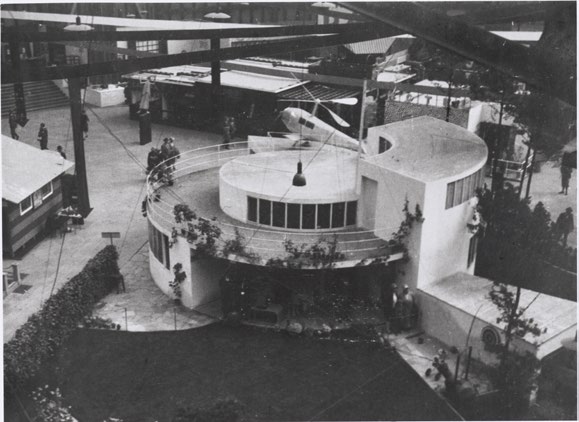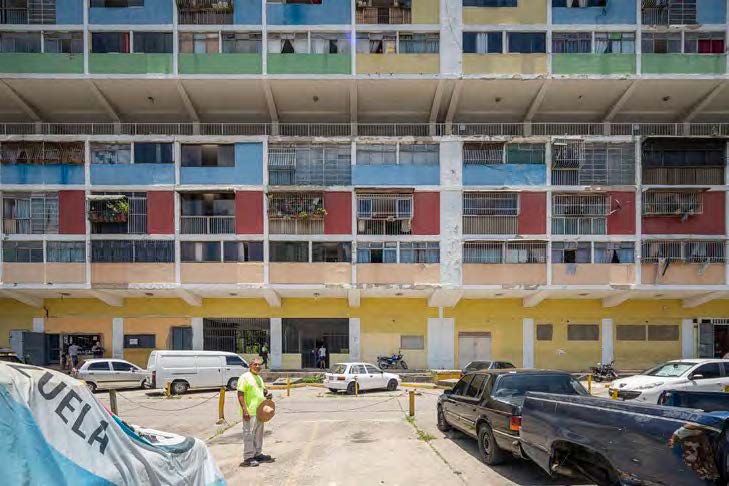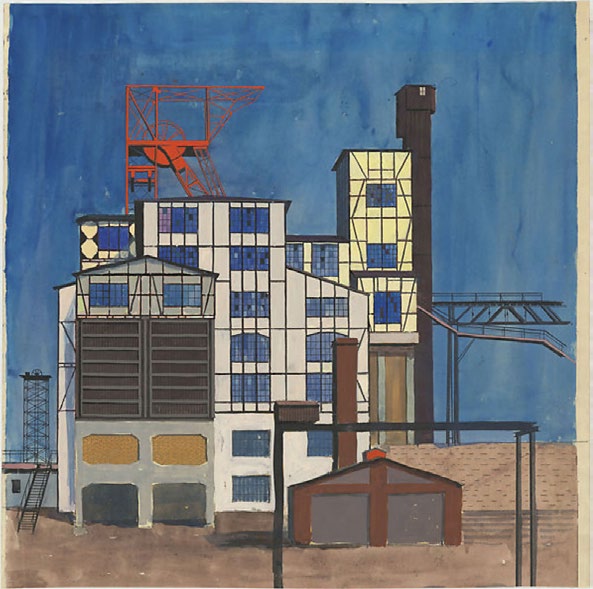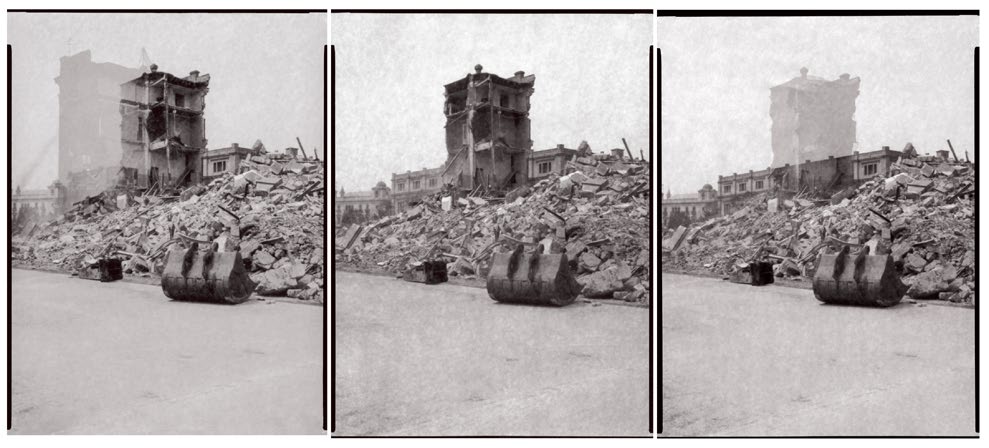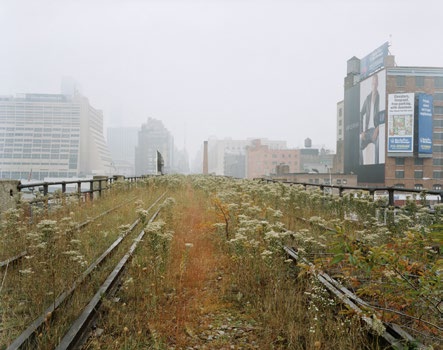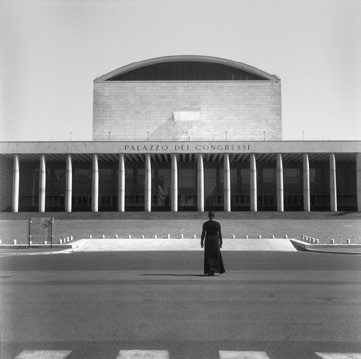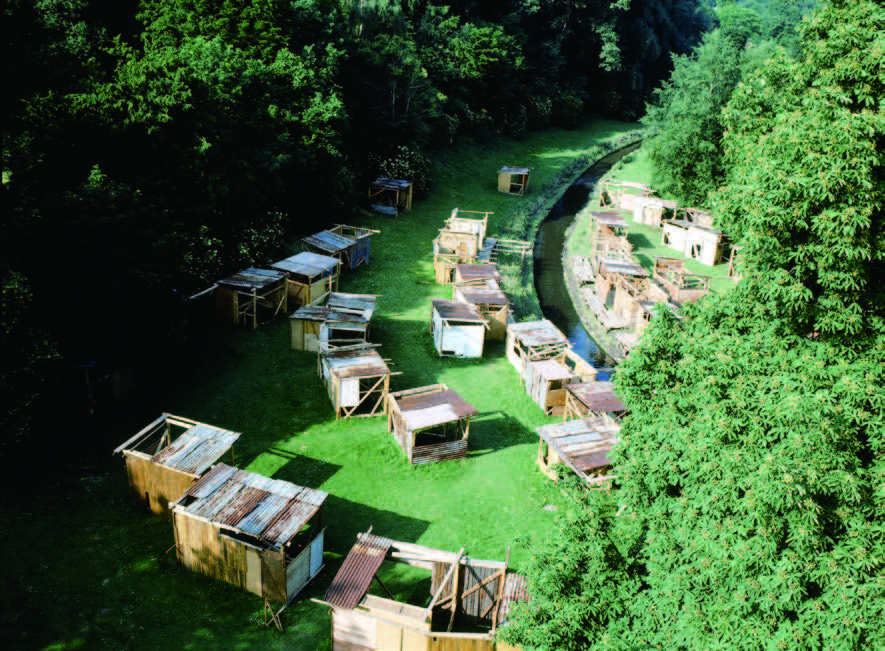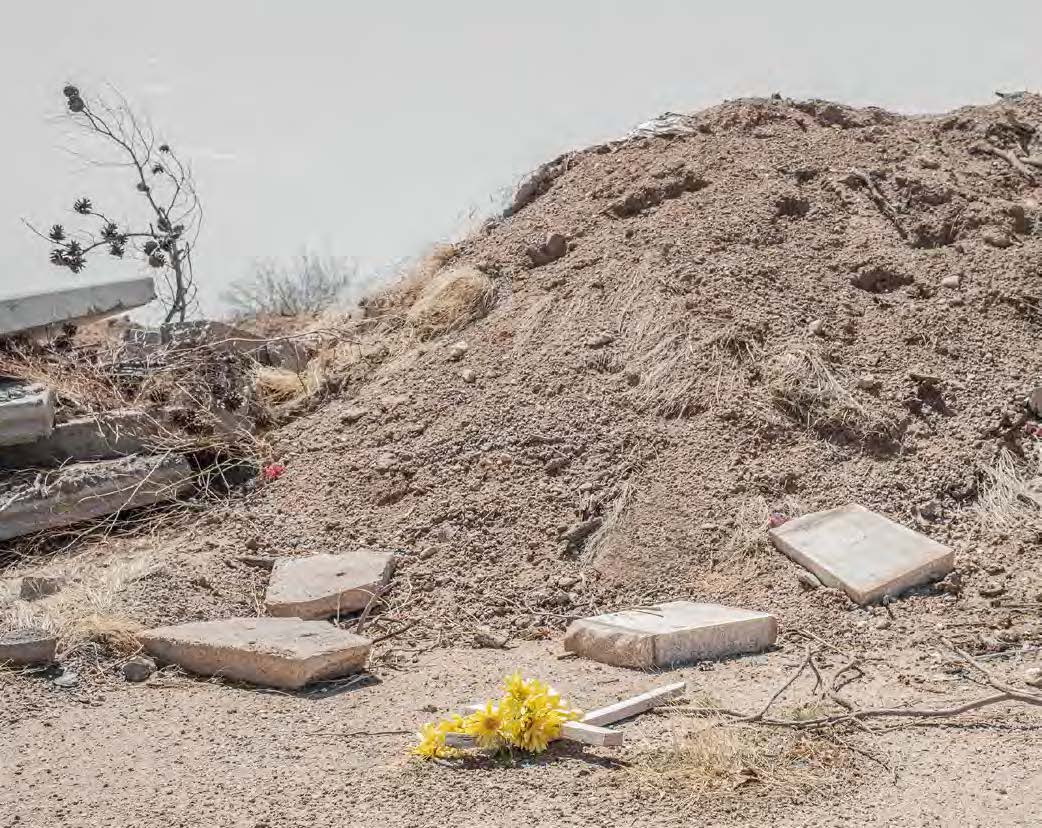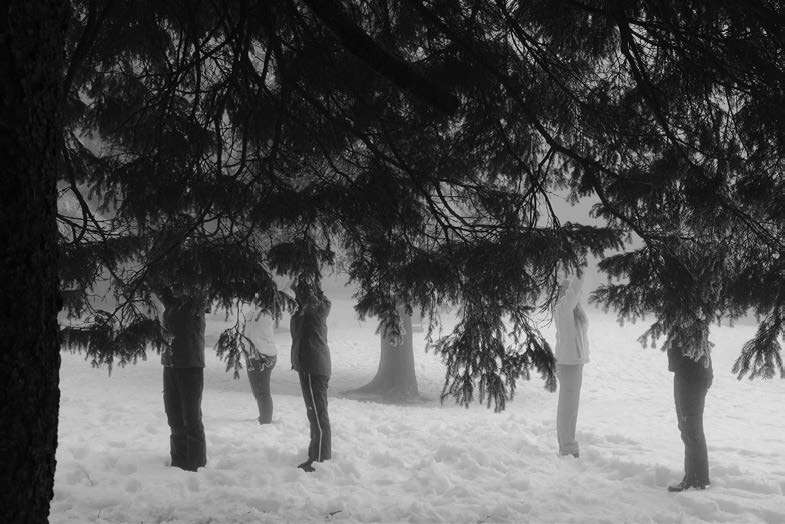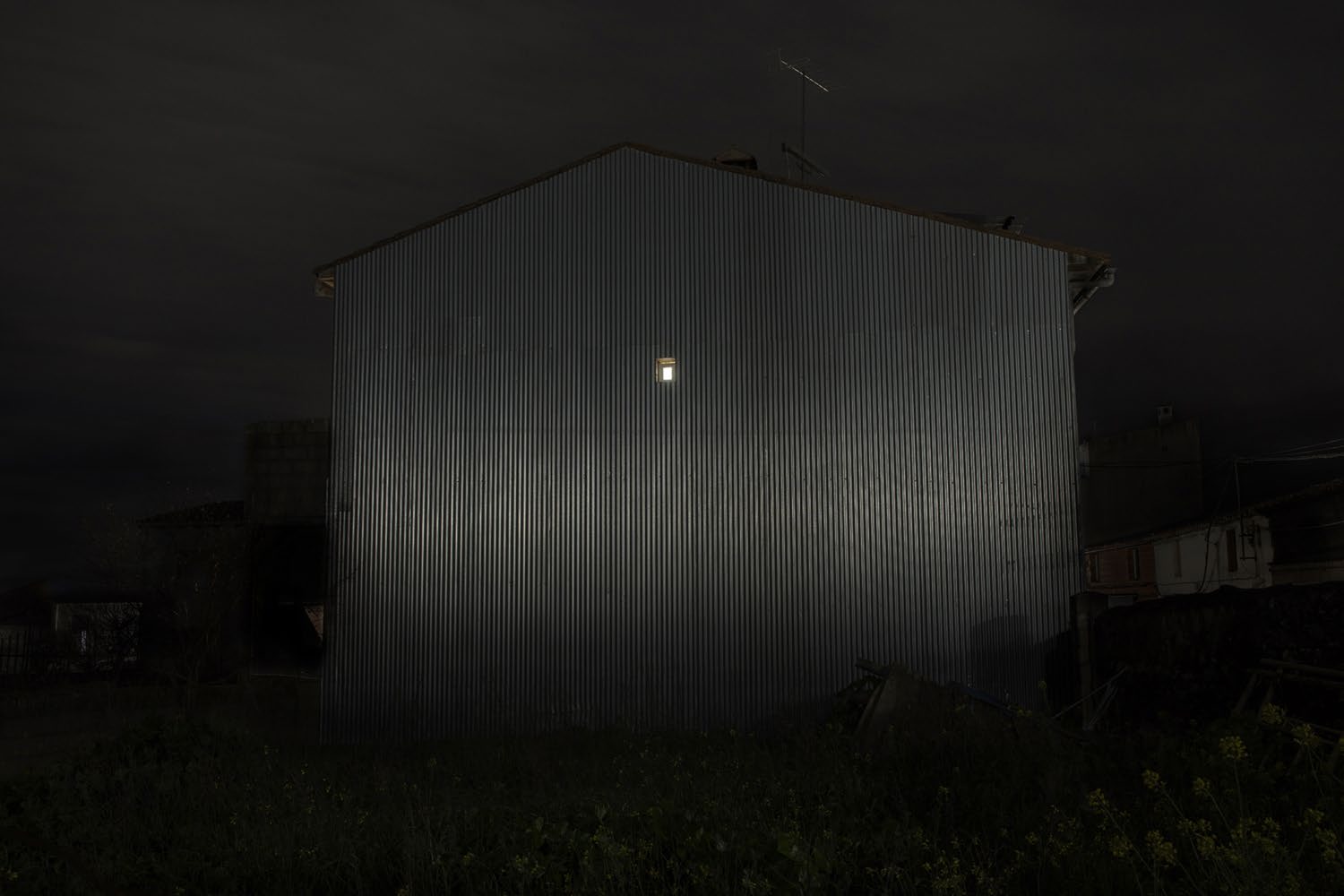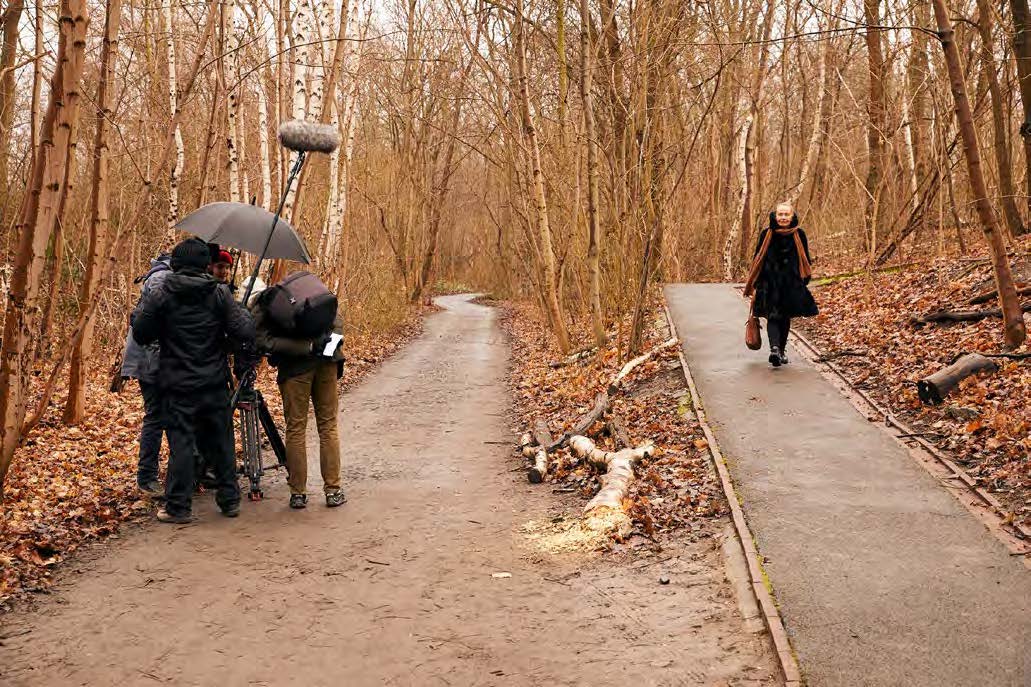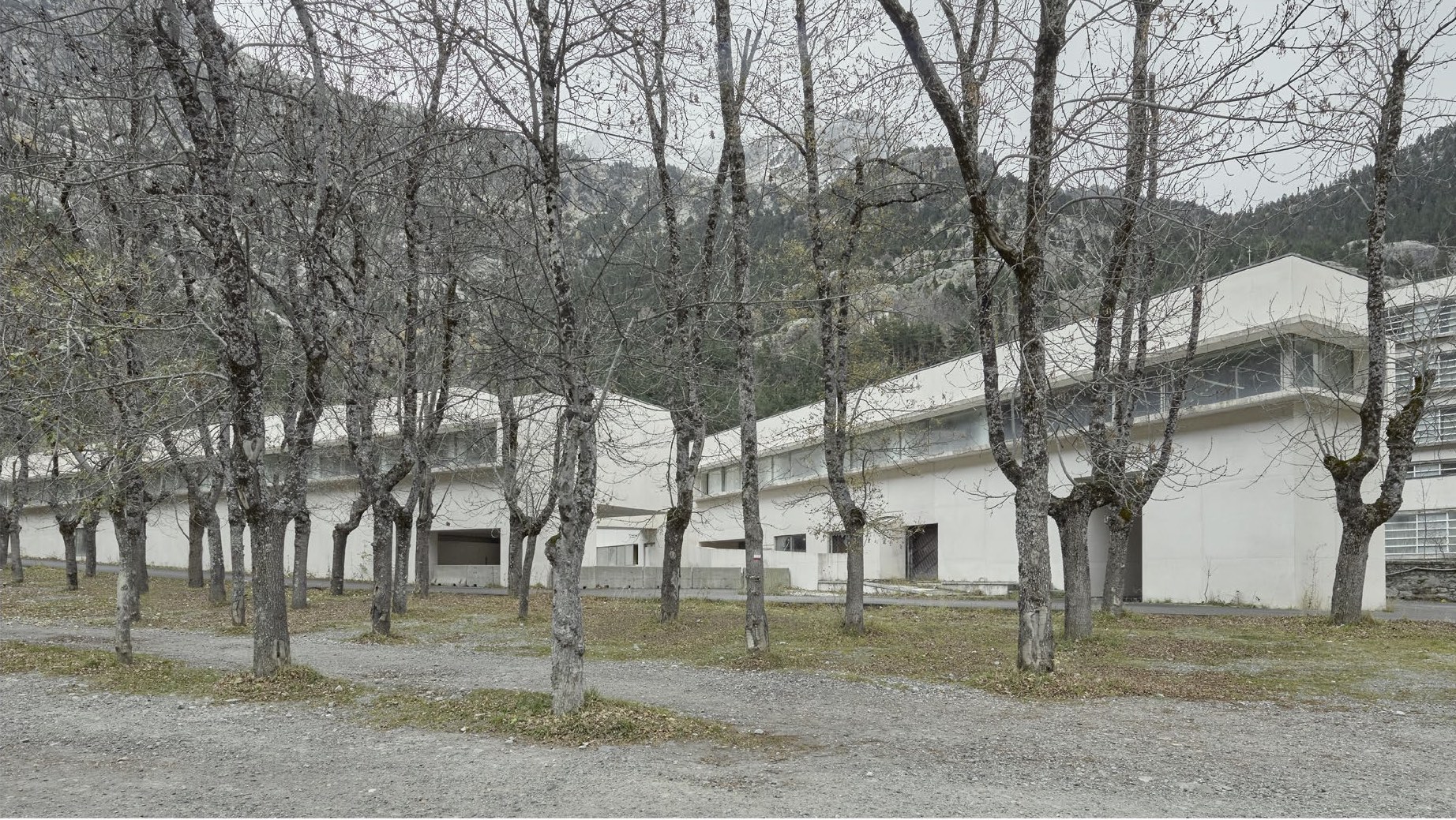
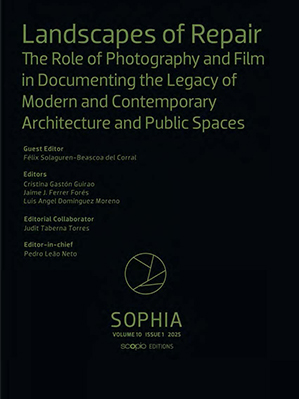
Sophia Journal Vol.10 No. 1 “Landscapes of Repair: The Role of Photography and Film in Documenting the Legacy of Modern and Contemporary Architecture and Public Spaces”, – presents theoretical and field work using photographic and visual practices to explore and document both Modern and Contemporary Architecture and Public Space infrastructure. The works aim to understand and document architecture, building, city and territory as living and inclusive organisms, focused on recent past and present positive experiences that have shaped the quality of urban space, as well as on heritage resources for global sustainability.
All this means, on the one hand, to comprehend the relationship between culture and space, within the context of Modern Architecture heritage preservation, as it belongs to a recent past that has not yet been sufficiently recognised by the authorities, scholars and general public. On the other hand, to explore how culture, beliefs, behaviours, and practices, interact with and shape the physical environment of different territories and their architectures, cities and landscapes, as well as to acknowledge contemporary discourses and usages of landscape concepts.
Our objectives are to explore the ways in which photography and film can be used as meaningful instruments of research into the socioeconomic, political, historical, technical and ecological dimensions of both modern and contemporary architecture and public spaces infrastructure for our cities and territories. This means, on the one hand, a more encompassing photography documentary research and practice able to integrate the diverse modes which can be found in many documentary projects, as referred by Marion Gautreau and Jean Kempf[1]: (i) scientific, or conversely, ideological reference; (ii) artistic form as an access to the complexities of the real world; (iii) the documentary as enabling an affirmation of identity or the retrieval of memory.
On the other hand, integrating into the research material processes[2] where photography is explored as a significant inquiry tool for critical and innovative views on architecture and urban transformation in their expanded fields and contextualized by larger systems: cultural, political, artistic, technical, and historical dimensions. This entails, innovative documentation or archival projects exploring discursive forms of presentation and visual constructs, articles and research papers discussing the rich spectrum of techniques and visual strategies employed in environmental discussions.
As a result, we are very much interested in the research focused on exploring how visual constructs, namely photography and film, may set forward the idea of an architecture, changing our on-site perception and even turning it into a projected vision in space, as well as identifying, recording and ‘unlocking’ sites of transformation – i.e. buildings and places which are undergoing, or will undergo, a process of renewal. Another example of our interests is the diachronic studies of urban environments focused on patterns of activities and phenomena aiming at sequentially researching social change, and physical and cultural expressions that may occur during different time lapses[3].
The overall concern is to study and give visibility to photography and film practices comprehending architecture outside the dominant narratives and to call attention to both Modern and Contemporary Architecture and Public Spaces. Namely to investigate the ways in which photography and film serve as meaningful instruments of research into the socioeconomic, political, historical, technical and ecological dimensions of Architecture and Landscape.
ISSN 2183-8976 [Print] 2183-9468 [Online]
ISBN 978-989-36273-2-7
Volume 10, Issue 1 | Publication year: 2025
DOI: 10.24840/2183-8976_2025_0010_0001
© The Authors. Published by scopio Editions. Licensed under a Creative Commons Attribution-NonCommercial-NoDerivatives 4.0 International License.